
Clubs thrive on showcasing identity and belonging, and a great way to do that is with patches. These small but impactful pieces of design do more than decorate a jacket or uniform. They tell a story, symbolize unity, and establish a visual mark of pride.
But designing club patches isn’t just about picking a cool image and stitching it onto clothing. It involves thoughtful design choices that allow your patch to represent your club for years to come.
If you’re planning to create a unique path for your club, you’ll want to read this blog. We’ll walk you through the steps, from choosing the right design choices to patch placement.
Ready to start?
Why Club Patches Matter
Patches have always been symbols of recognition and pride. They’ve been worn by military units, sports teams, scouting organizations, and even student groups to showcase identity and achievement.
Clubs use them in much the same way, giving members something tangible that links them together. Here’s why they’re so valuable:
- Unity and belonging: Wearing the same patch creates a sense of inclusion. It tells the world that you’re part of something bigger.
- Storytelling: A well-designed patch can capture your club’s values, history, and goals in a single image.
- Visibility: When worn on jackets, uniforms, or bags, patches act as walking advertisements, sparking curiosity and recognition.
- Tradition: Many clubs pass their patches down over the years, making them part of a legacy that new members embrace.
Key Elements of a Good Club Patch Design
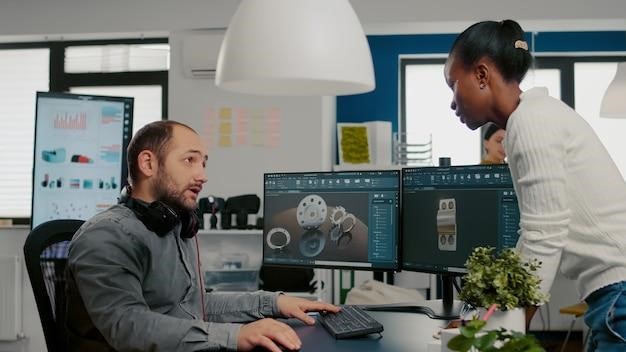
Designing a patch is more than creating a design that looks good on paper. You need a design that’s both visually appealing and practical.
So how can you make sure your club patch design looks perfect?
Consider the following elements:
1. Shape and Size
Your patch’s shape is the foundation of its design. While common shapes include circles, shields, and rectangles, you can customize shapes that reflect your club’s theme. For instance, a wing may look great for a motorcycle club or a paw print for an animal club.
Similarly, there isn’t a one-size-fits-all solution. The size of your patch varies depending on where you intend to place it. For example,
- Small patches (2–3 inches) work best for hats, sleeves, or collars.
- Medium patches (4–6 inches) are great for bags or jackets.
- Large patches (10–12 inches) are often best used as back patches for motorcycle clubs or big event emblems.
2.Club Patches Meanings
Club patches and their symbolism often go beyond decoration. The images or icons in a patch are powerful ways of displaying a club’s values and identity.
When creating custom club patches, think carefully about which images or icons could best represent your group. Wings, skulls, or flames are popular choices for motorcycle clubs, but symbols like books, lamps, or animals may resonate better for school clubs.
No matter what symbol you choose, make sure it’s simple enough to be recognized instantly, even at a smaller size.
3. Color Choices

Color psychology plays a major role in branding, and patches are no exception. Red symbolizes energy and passion, while blue reflects trust and loyalty, and green often links to growth or nature. So make sure to select a color scheme for your custom patch that aligns with your club’s identity.
The best bet is to limit your palette to a handful of strong colors for clarity. Also, try to use contrasting colors that complement each other. This will enable the design to be visible, even from a distance.
4. Typography
If your club name, motto, or initials are part of the patch, choose fonts wisely. Overly complex lettering may look great on a computer, but it can blur when created on fabric. Block, sans-serif, or bold script fonts tend to work best.
Club Patch Placement: Where Should You Wear It?
Patch placement isn’t just about aesthetics - it also carries meaning. Many clubs follow an unspoken code that dictates where patches should be worn. For instance, motorcycle clubs usually feature a large patch on the back of a jacket, while smaller patches on the chest or sleeves often indicate ranks, roles, or achievements.
Other popular placements include:
- Shoulder or sleeve patches for sports teams or scouts.
- Front chest patches for school or hobby clubs.
- Back patches for high-impact, bold statements.
- Caps, backpacks, or gear for casual representation.
So, when finalizing your patch design, make sure to decide where you want members to wear it. Placement not only affects visibility but also reinforces the identity and purpose of your club. By choosing the right spot, you ensure your patch stands out, communicates meaning, and strengthens unity among members.
Design for Longevity
Your club patch should be timeless, not trendy. So, even if the ideas of your club evolve, its symbol should remain consistent. If you’re looking for ways to create a lasting design, keep the following tips in mind:
- Keep it simple. Complex images can lose detail during embroidery.
- Think about scaling. Will the design still look good at both 3 inches and 10 inches?
- Avoid overloading with text. Stick to essential words like the club name or initials.
- Test different backgrounds. Patches will be worn on clothing of different colors, so make sure they stand out.
Find a Professional Patch Maker

Now that you have enough information about essential elements when designing your club patch, it's time to find the right patch maker. Choosing the right manufacturer is just as important as the design itself - because no matter how great your artwork looks on screen, the final patch will only shine if it’s produced with skill and quality.
A professional patch maker can guide you through the technical side of production, from thread counts and backing options to color accuracy and durability. They’ll also help you avoid common pitfalls, like designs that lose detail when stitched or backing choices that don’t suit your intended use.
Here are a few tips to find the right partner:
- Check their portfolio. Look for samples of patches they’ve made in the past. This will give you a sense of their craftsmanship and style range.
- Ask about customization options. A good patch maker should offer choices like iron-on or sew-on backings, as well as size and shape flexibility.
- Confirm color matching. Professional makers often use Pantone color systems to ensure your patch colors match your original design.
- Read reviews or testimonials. Feedback from other clubs or organizations can reveal how reliable and consistent the maker is.
- Request a sample. Before committing to a bulk order, order a prototype to confirm quality, clarity, and durability.
By working with an experienced patch maker, you’ll have peace of mind knowing your club’s identity is represented in a patch that looks sharp, lasts long, and does justice to your design.
Over to You
Designing your club patch is about crafting a lasting symbol of unity, pride, and tradition. By carefully choosing the shape, colors, and symbols for your patch, you can create a stylish accessory that represents your group.
If you’re looking for club patches that can carry your story for years to come, Anything Chenille is here to help. We can help you create the perfect custom patches that reflect your club’s vision and identity. Talk to our company representatives and discuss your patch needs today.


